
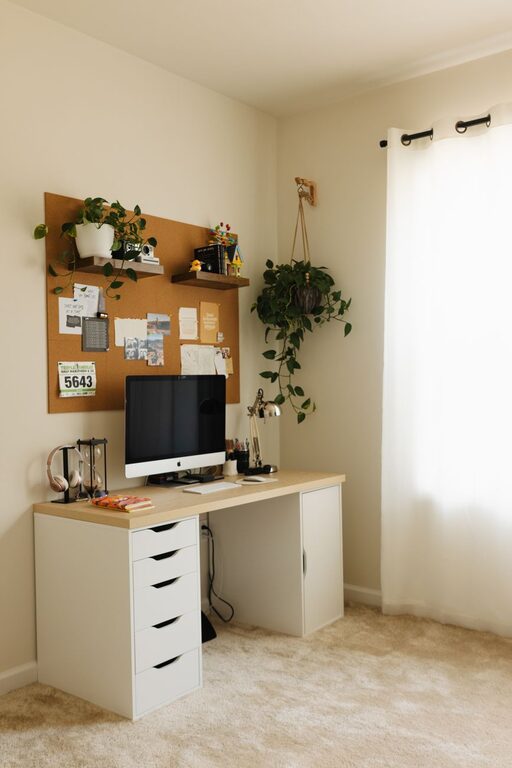
Creating a cozy and functional home office space is essential for anyone working or studying from home. A well-designed workspace can boost productivity, reduce stress, and make your daily work routine more enjoyable. Whether you have a dedicated room or just a small corner, you can transform it into a comfortable and efficient area that suits your needs. In this post, we’ll explore practical tips to help you create a home office that feels inviting and works well.
Choose the Right Location
Consider Natural Light
Natural light is one of the best features you can add to your workspace. Position your desk near a window if possible to take advantage of daylight. Natural light helps reduce eye strain and can improve your mood.
Minimize Distractions
Pick a spot in your home that is quiet and free from frequent interruptions. If you live with others, choose a space where they know to respect your work time. Using noise-canceling headphones or soft background music can also help maintain focus.
Invest in Comfortable and Functional Furniture
Ergonomic Chair and Desk
Comfort is key when selecting furniture. Choose a chair that supports your back and encourages good posture. Adjustable desks allow you to switch between sitting and standing, promoting better circulation and reducing fatigue.
Adequate Desk Space
Make sure your desk is large enough to accommodate your computer, notebook, and any other tools you need. A cluttered desk can interfere with productivity, so having room to spread out is helpful.
Organize Efficiently
Use Storage Solutions
Keep your workspace neat with shelves, drawers, or filing cabinets. Organizers like trays, bins, and drawer dividers help you store stationery, documents, and gadgets neatly.
Declutter Regularly
Take a few minutes at the end of each day to tidy your desk. A clean workspace can reduce stress and make it easier to start the next day with focus.
Personalize Your Space
Add Cozy Elements
Include a soft rug, cushions, or a throw blanket to make your office feel warm and inviting. Plants are another great addition; they not only add color but can improve air quality.
Choose Calming Colors
Use colors that promote relaxation and concentration. Soft blues, greens, or neutrals are good choices. Avoid overly bright or distracting hues unless they help you stay energized.
Optimize Lighting
Combine Different Light Sources
Balance natural light with good artificial lighting. A desk lamp with adjustable brightness is perfect for focused tasks. Use overhead lights to brighten the room evenly, especially in the evening.
Mind Glare and Shadows
Position your screen to minimize glare from windows or lights. Consider using curtains or blinds to control sunlight and reduce eye strain.
Technology Setup
Reliable Equipment
Invest in a good computer, fast internet connection, and any necessary accessories like a printer or external monitor. Having reliable technology reduces interruptions and supports your work.
Cable Management
Keep cords organized using clips or sleeves. This not only looks neater but also prevents accidents and makes cleaning easier.
Establish a Routine
Define Work Hours
Setting regular work hours helps separate work time from personal time, improving work-life balance.
Take Breaks
Incorporate short breaks to stretch or walk around. Moving periodically can boost concentration and reduce fatigue.
Additional Tips
– Use a Whiteboard or Corkboard: Keep important reminders, calendars, or notes visible.
– Incorporate Soundproofing: If noise is an issue, try adding rugs, curtains, or acoustic panels to dampen sound.
– Keep Hydrated and Snack Nearby: A water bottle and healthy snacks nearby can keep your energy up without frequent trips to the kitchen.
Conclusion
Designing a cozy and functional home office is about blending comfort with practicality. By choosing the right location, investing in good furniture, organizing efficiently, personalizing your space, and paying attention to lighting and technology, you can create an environment that supports your best work. Remember, small changes can make a big difference, so start with a few tips and adjust your space as you go. Enjoy making your home office truly your own!